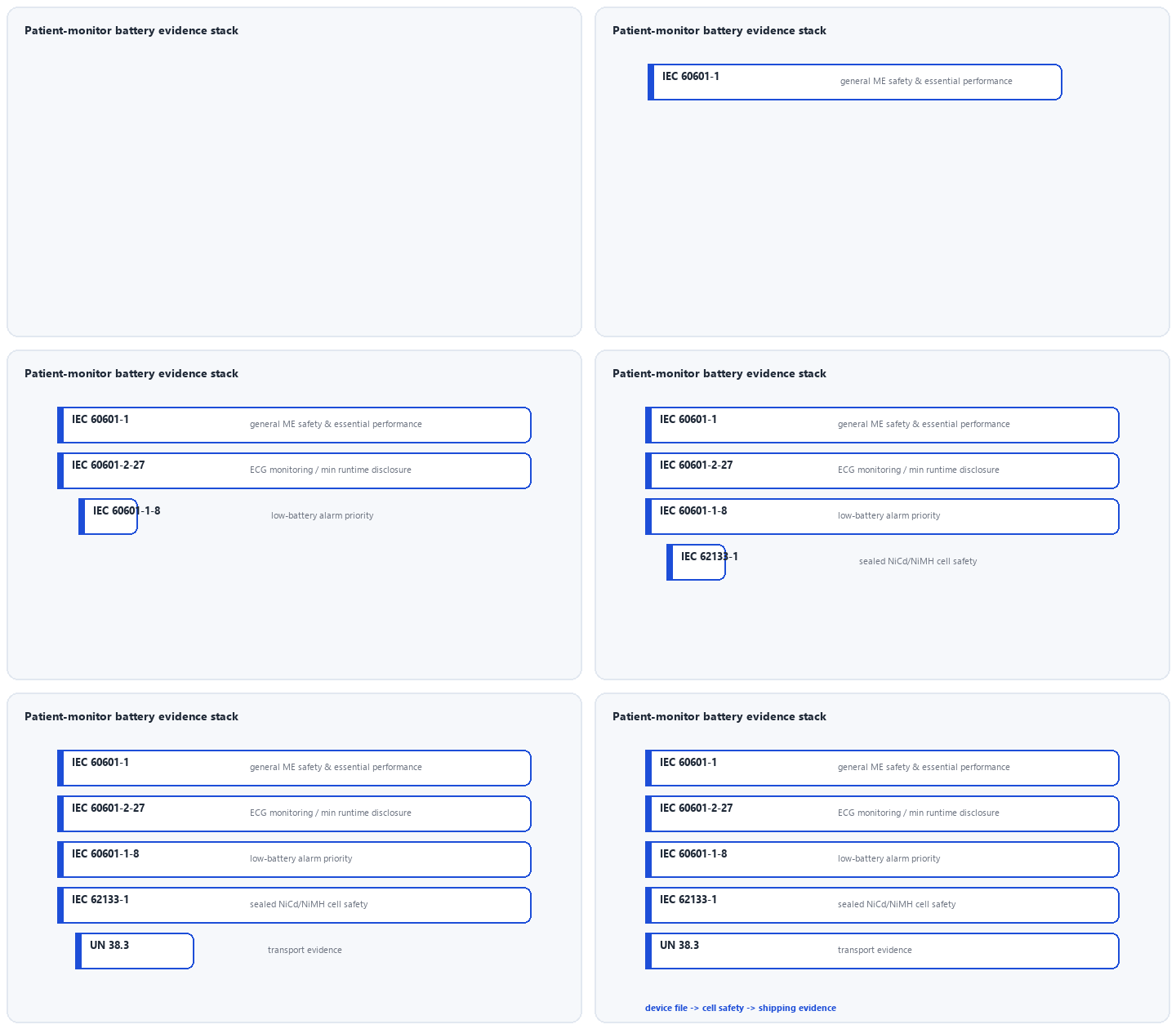
Paper C covers the evidence trail that turns a monitor battery from a working prototype into a certified, fleet-reliable component: the layered standards, the runtime validation a notified body expects, the cell-safety and transport tests, and the aging and failure data a clinical engineering department will demand over years of service.
The minimum-runtime claim must be demonstrated, not assumed. A defensible matrix crosses reference configurations (ECG+SpO2 only; with NIBP at 5/15-minute intervals; with recorder and wireless active) against ambient temperature (cool corridor, nominal, warm bay), battery age (new and cycled to end of life) and backlight setting. Each run records time to the low-battery alarm and time from alarm to shut-down, because the alarm must leave enough operating margin to finish a transport or connect mains. Datasheet anchors — 80 minutes from 2.1 Ah, 180 minutes from 4.2 Ah, up to 9 hours in a low-duty reference configuration — are reproduced within this matrix rather than quoted in isolation.
The nickel test programme exercises external short at ambient and high temperature, prolonged overcharge, forced discharge, free-fall/mechanical shock and thermal cycling. For NiMH these cases validate the safety-vent and current-interrupt design — the chemistry's failure mode is controlled gas release, not thermal runaway, which is precisely why it suits unattended bedside equipment. Design-history files pair the reports with weld drawings, insulation scheme and protection schematic to show single-fault safety under IEC 60601-1.
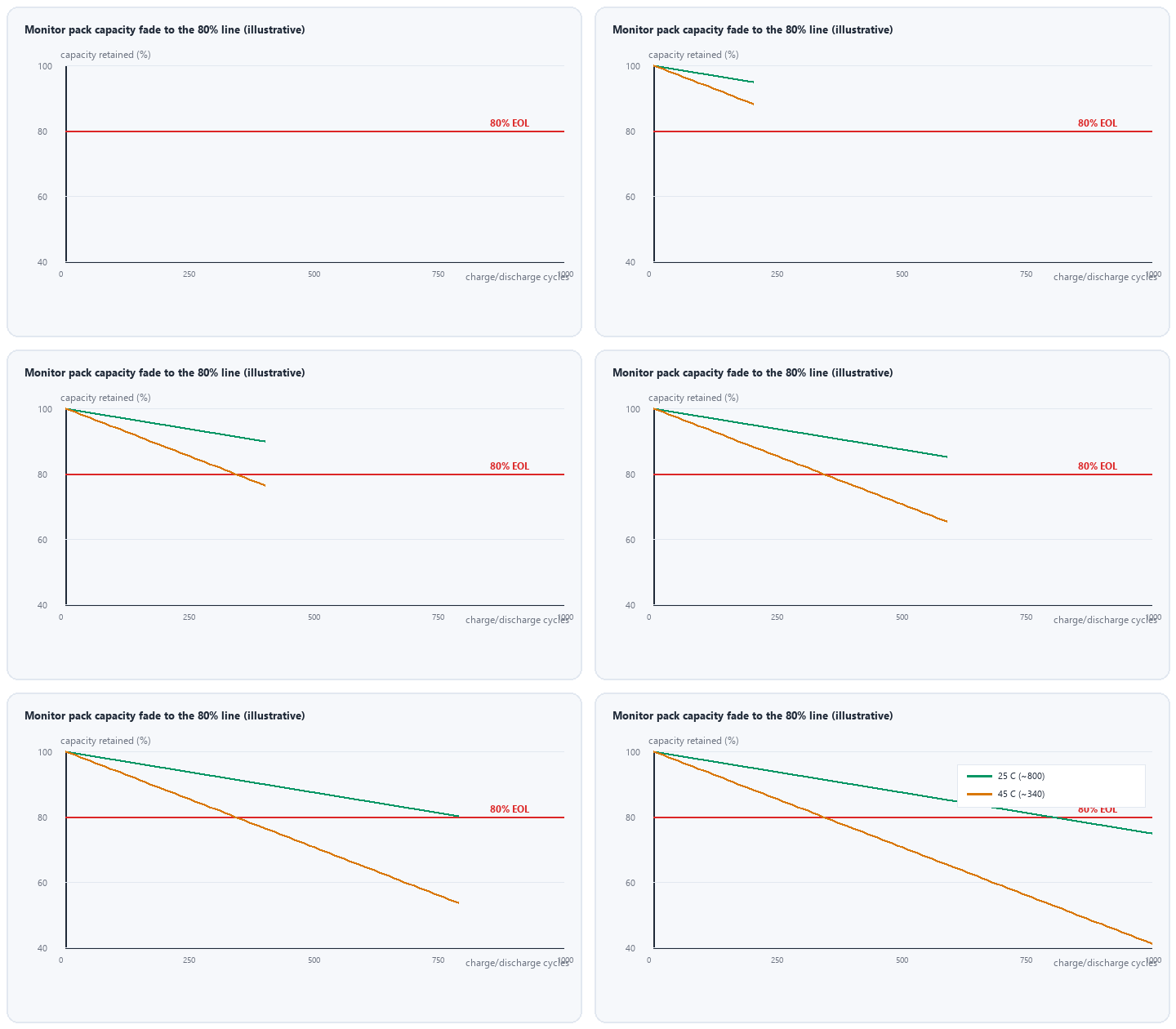
Clinical engineering departments measure fleet health in runtime trending. NiMH reaches its 80 % end-of-life point after on the order of 500–1000 cycles depending on depth of discharge and temperature, with calendar life typically 3–10 years; heat is the dominant accelerator. Cycle testing at the real duty profile and elevated-temperature storage compress this timeline during development, and periodic reference discharges in service schedule replacements before a monitor fails in transport. Because NiMH fades gradually rather than dying suddenly, runtime-based replacement is reliable.
Weijiang Power supplies medical NiMH cells and custom packs with the validation trail included: IEC 62133-1 and UN 38.3 reports traceable to production, matched-cell and weld-process records, NTC/protection integration and support for customer runtime-validation campaigns aligned to IEC 60601-2-27. Provide your reference configurations and minimum-runtime target and we will engineer both the pack and its evidence package.


